Whether you're patching a cracked slab or planning a full driveway overhaul, understanding the real costs involved helps you budget confidently — and plan for upgrades like EV charger installation at the same time. This guide breaks down every major expense, starting with the driveway itself.
Driveway Repair Costs: What Homeowners Actually Pay
Concrete driveway repair costs vary widely depending on the extent of the damage, your region, and the repair method used. Here's a honest look at what you're likely to spend:
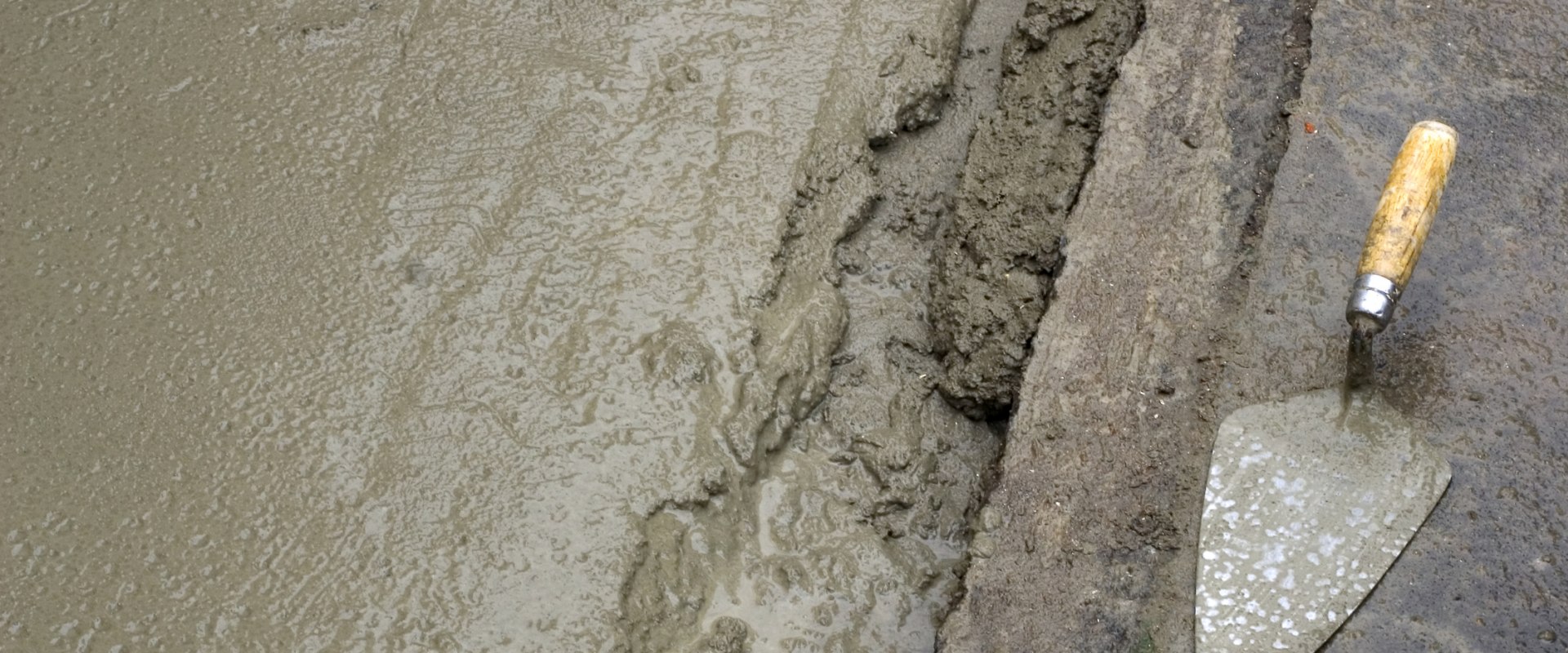
- Crack filling (hairline to 1 inch wide): $100–$400 for a standard two-car driveway, using polyurethane or epoxy injection. A DIY repair kit runs $20–$60, but professional results last significantly longer.
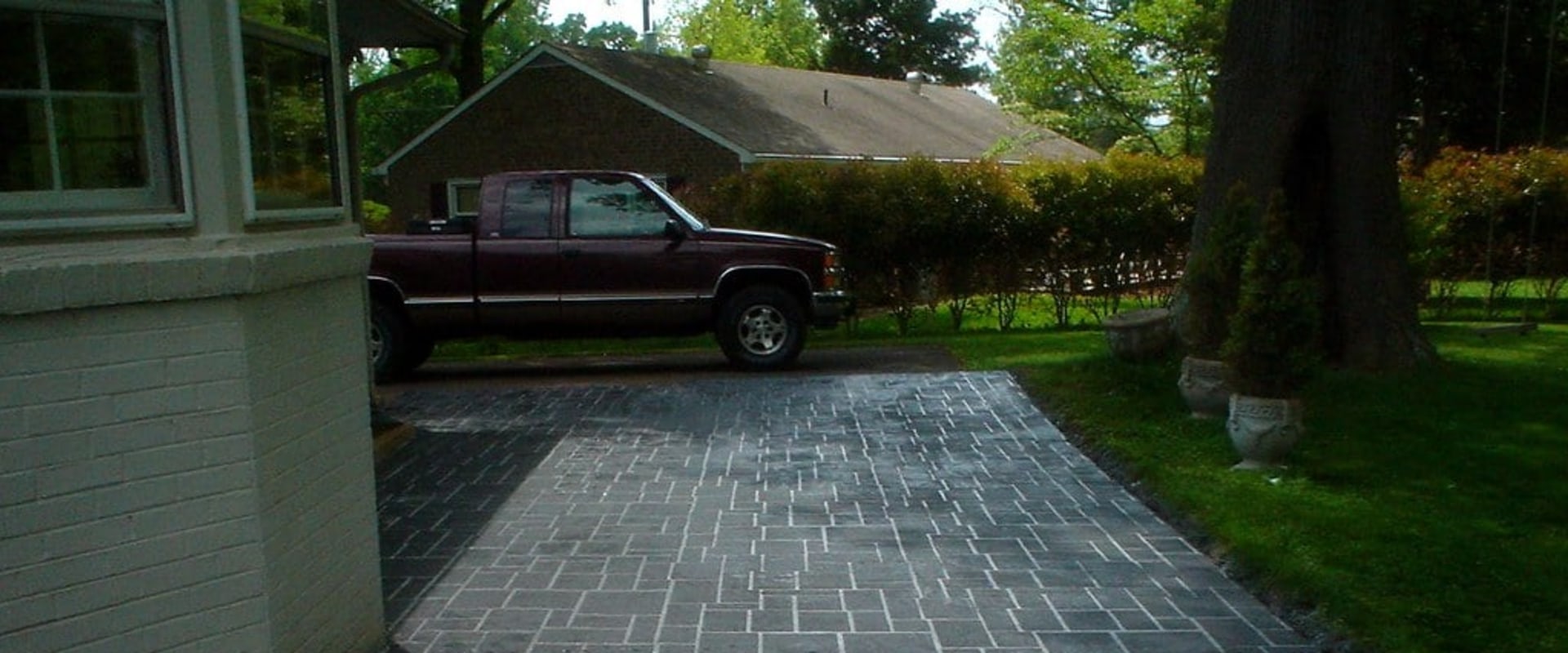
- Resurfacing (spalling, surface scaling): $1,000–$3,500 for a full concrete overlay on a typical 600 sq ft driveway. Costs depend on surface prep, which often accounts for 30–40% of the total job.
- Slab replacement (severe cracking, heaving): $4,000–$10,000+, depending on thickness, reinforcement, and whether drainage or base issues need addressing first.
- Mudjacking or foam lifting (sunken slabs): $500–$1,500, a far cheaper alternative to full replacement when the slab structure is still sound.
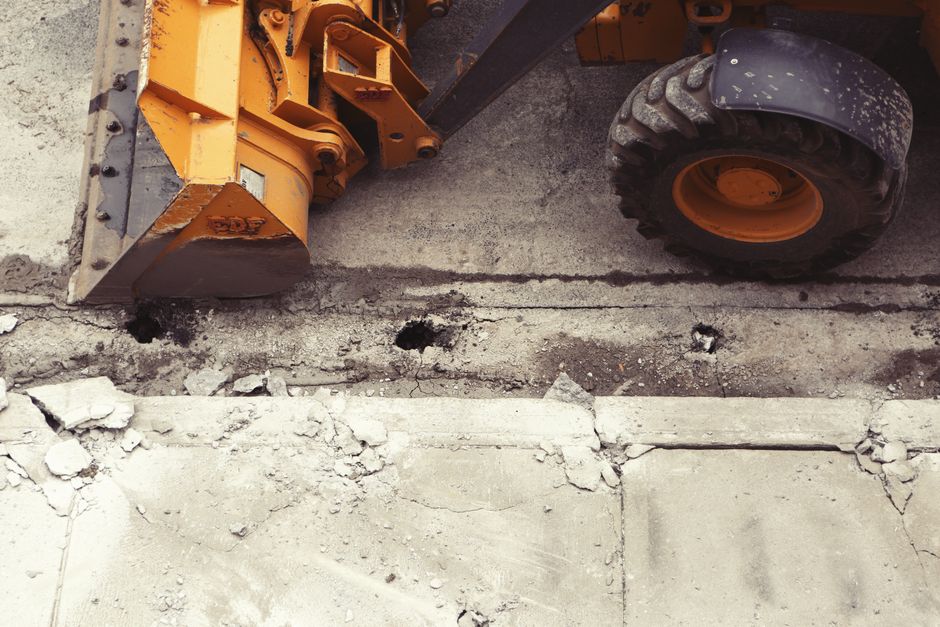
One pattern that comes up repeatedly in concrete repair projects: homeowners are already digging up sections of their driveway or garage apron, so it makes sense to run conduit for a future charging station at the same time. The marginal cost during active excavation is minimal compared to doing it separately later.
The biggest cost driver? Surface preparation. Grinding, cleaning, and profiling an existing concrete surface correctly determines whether a repair holds for two years or twenty. Cutting corners here is the most common reason homeowners end up repeating the same job.
Up next: garage floor repair costs, which follow a similar pricing structure but come with their own set of complications.
Garage Floor Repair and Resurfacing Cost Breakdown
Before homeowners start budgeting for extras like asking how much does an EV charger install cost, it pays to understand what the garage floor repair itself will set you back — because this is almost always the bigger line item.
Garage floors take a serious beating. Oil stains, freeze-thaw cycles, heavy vehicle loads, and moisture intrusion all accelerate surface deterioration. The good news is that most damage is repairable without a full slab replacement. Here's how the costs typically break down:
- Crack filling and patching: For minor hairline cracks and isolated spalling, DIY patching compounds cost $20–$80 in materials. Professional crack injection or patching typically runs $200–$500 depending on the number and severity of cracks.
- Concrete resurfacing (overlay): A full garage floor resurfacing using a bonded overlay costs $3–$7 per square foot installed. For a standard two-car garage of around 400–500 sq ft, expect to pay $1,200–$3,500 professionally applied.
- Epoxy coating: A popular garage floor finish that also adds protection, epoxy coating runs $3–$12 per square foot depending on the system — water-based versus 100% solid epoxy makes a significant difference in both durability and price.
- Full slab replacement: Reserved for severely damaged or structurally compromised floors, full replacement costs $6–$14 per square foot, putting a standard garage at $3,000–$8,000 or more.
Surface preparation is the factor most homeowners underestimate. Grinding, cleaning, and priming the existing slab can add $1–$3 per square foot to any resurfacing job — but skipping it is exactly why overlays fail prematurely.
For most garages showing moderate wear, a resurfaced and epoxy-coated floor hits the sweet spot between cost and longevity.
How Much Does an EV Charger Install Cost?
If you're already tearing up the driveway or resurfacing the garage floor, it makes financial sense to ask: how much does an EV charger install cost? Bundling the electrical work with your concrete project can save on labour, and many homeowners treat it as a natural pairing — especially when the garage floor is already cleared out and contractors are on-site.
Here's a realistic cost breakdown for a home EV charger installation in the US:
| Charger Type | Unit Cost | Installation Cost | Typical Total |
|---|---|---|---|
| Level 1 (120V plug-in) | $0–$150 | Minimal | $0–$200 |
| Level 2 (240V hardwired) | $200–$800 | $400–$1,000 | $600–$1,800 |
| Level 2 + panel upgrade | $200–$800 | $1,000–$3,000 | $1,200–$3,800 |
Most homeowners installing a Level 2 charger — the standard choice for overnight home charging — spend between $800 and $1,500 all-in, assuming their electrical panel has capacity to spare. If a panel upgrade is needed, costs can push toward $3,500 or beyond.
What Drives the Price Up?
- Panel capacity: Older homes often need a sub-panel or full upgrade
- Conduit run length: The farther the charger is from your panel, the more wiring is needed
- Permit requirements: Most jurisdictions require a permit, which adds $50–$200
- Wall surface: Running conduit through a finished garage wall costs more than open framing
One practical note: if your garage floor needs resurfacing — something covered in depth in our Repair & Resurfacing guides — it's worth scheduling the charger install beforehand so the electrician isn't working around freshly poured concrete.
Federal tax credits (currently 30% under the Inflation Reduction Act, up to $1,000) can meaningfully offset costs, so always check your eligibility before budgeting.
Bundling Driveway, Garage, and EV Charger Projects to Save Money
If you're already pulling permits, hiring contractors, and tearing up your garage floor, adding an EV charger installation to the same project is one of the smartest budget moves you can make. Homeowners who ask how much does an ev charger install cost in isolation are often surprised to find the number drops meaningfully when the work is bundled with existing concrete repairs.
Here's why bundling works so well from a practical standpoint:
- Shared labour costs. An electrician already on-site for garage lighting or panel upgrades can run a dedicated circuit for your charger without a separate call-out fee.
- One trench, multiple purposes. If conduit needs to run from your meter box to the garage, the same trench dug for drainage corrections during a driveway resurface can carry the electrical conduit — cutting excavation costs significantly.
- Single permit application. Many councils allow combined electrical and structural permits, reducing administration fees and inspection visits.
- Less concrete disruption. Running conduit before your new garage floor slab is poured — rather than cutting into fresh concrete later — protects the integrity of the repair work you just paid for.
The savings on a bundled project can range from $300 to over $1,000 depending on your property layout and local contractor rates. For a detailed, location-specific breakdown, the team at EV Install have published a thorough guide on EV charger installation pricing in Sydney that's worth reading before you request quotes.
The key takeaway for anyone planning concrete work: speak to your electrician and your concrete contractor at the same time. Getting both on-site for a combined quote, rather than treating these as separate jobs, is where real money gets saved.
Factors That Push Your Total Budget Higher or Lower (Including How Much Does an EV Charger Install Cost in Context)
Once you understand the baseline numbers for driveway repairs, garage floor resurfacing, and how much does an EV charger install cost, the next step is recognising what shifts those figures in either direction. No two projects land at exactly the same price, and several practical variables will determine where your final invoice sits.
- Concrete condition: Hairline cracks cost far less to address than structural spalling or heaved slabs. The worse the substrate, the more prep work — and prep work drives labour costs up quickly.
- Panel and wiring capacity: If your electrical panel is already near capacity, adding a Level 2 EV charger will require an upgrade, sometimes adding $500–$2,000 to the charger installation bill alone.
- Regional labour rates: Contractors in major metro areas typically charge 20–40% more than those in rural markets for identical scope.
- Material choice: A basic patch compound costs a fraction of a decorative overlay or epoxy coating system. Choosing premium finishes for a garage floor can double the surface materials budget.
- Permitting requirements: EV charger installations almost always require an electrical permit; some municipalities also require permits for concrete work exceeding a certain square footage.
- Project timing: Bundling your driveway repair with a garage floor resurface and EV charger installation in a single contractor visit often unlocks a combined-project discount.
The single biggest money-saving move is addressing concrete deterioration early — small cracks patched promptly rarely become expensive slab replacements.
Taken together, driveway repair, garage floor resurfacing, and EV charger installation represent one of the most practical home improvement combinations a homeowner can tackle. The concrete work protects your property's structure and kerb appeal, while the charger future-proofs your garage for years of electric driving ahead. Price each element separately using the figures in this guide, identify where your specific conditions push costs higher or lower, then approach contractors with a clear, informed budget — that preparation alone is often enough to negotiate a fairer quote and avoid unwelcome surprises when the invoice arrives.