Before a studio can welcome its first student onto the floor, there's critical groundwork — quite literally — that needs to happen beneath the surface. This checklist walks through every subfloor repair step that serious dance studios complete before salsa classes begin.
Why the Subfloor Condition Defines the Quality of Salsa Dance Classes Sydney Studios Can Offer
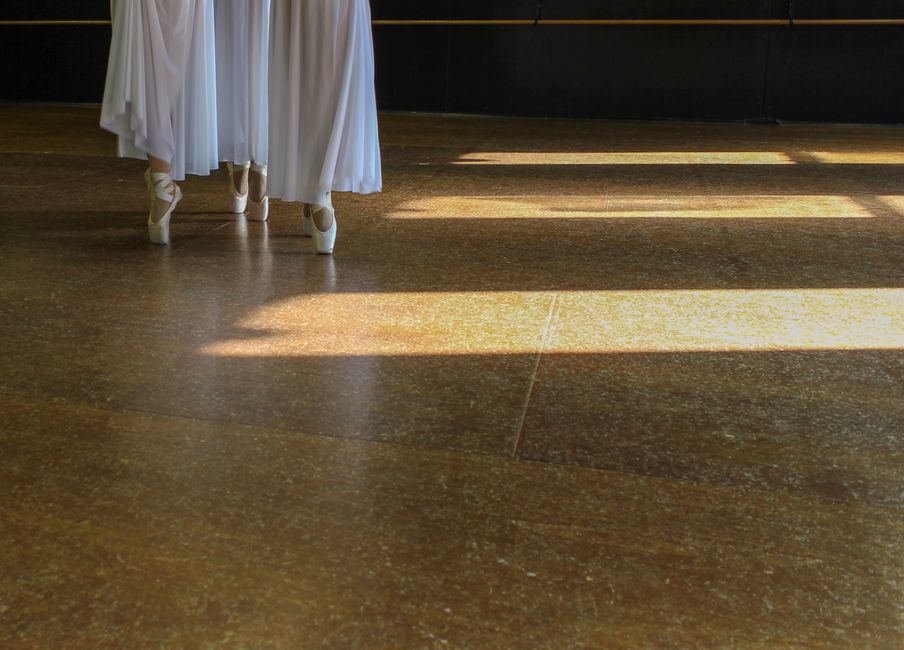
Ask any instructor running salsa dance classes Sydney dancers actually return to, and they'll tell you the secret isn't just the music or the teaching — it's the floor. A compromised concrete subfloor telegraphs every flaw straight through the finished surface, and in a high-energy partner dance environment, those flaws become real safety hazards.
Salsa is a weight-transfer dance. Dancers are constantly shifting load, spinning on the ball of one foot, and trusting their partner's balance. When the subfloor beneath a timber or sprung dance floor contains:
- Uneven high spots or depressions — even a 3 mm variance can cause ankle rolls during fast footwork
- Hairline cracks or spalling — which allow movement and flex under dynamic load
- Moisture migration — which degrades adhesives and causes surface delamination over time
- Soft or crumbling sections — which create dead spots that absorb energy unevenly
… the finished dance floor above will never perform correctly, no matter how premium the overlay material is.
Choreographers like Sneha Kapoor have long emphasised that a dancer's connection to the floor is foundational to technique — and that connection begins several layers below what the eye can see.
From a concrete-repair perspective, the subfloor is where the investment is either protected or wasted. Studios that skip this stage often resurface prematurely, spend twice, and still deliver an inferior experience. The sections that follow break down exactly what to inspect, test, and fix before a single student steps on.
Structural Assessment: Checking the Concrete Slab Before Hosting Salsa Dance Classes Sydney Studios Rely On
Before a single dancer steps onto the floor for salsa dance classes Sydney studios take their slab assessment seriously — and for good reason. Concrete that looks solid at a glance can harbour hidden problems that become dangerous under the rhythmic, repetitive load of dozens of dancers moving in unison. A proper structural assessment is the non-negotiable first step in any subfloor preparation checklist.
Here is what a thorough slab inspection should cover:
- Visual crack mapping: Walk the entire slab and mark every crack you find. Hairline cracks under 0.3 mm are generally cosmetic, but wider or branching cracks can signal deeper structural movement that needs repair before installation proceeds.
- Hollow spot detection: Tap the surface systematically with a rubber mallet or chain drag. A hollow sound indicates delamination or voids beneath the surface — areas that can flex, crack, or fail under dance-floor loading.
- Levelness check: Use a long straightedge or laser level across multiple axes. Dance floors demand a tolerance of no more than 3 mm over a 1.8 m span. Anything beyond that risks poor floating-floor installation and uneven wear.
- Moisture testing: Conduct a calcium chloride test or relative humidity probe reading. Excessive moisture migrating through the slab will compromise adhesives, cause timber subfloor panels to swell, and accelerate flooring failure.
- Load-bearing capacity review: Confirm the slab meets the expected live-load requirements. A crowded salsa class generates concentrated dynamic loads significantly higher than standard foot traffic.
Any defects uncovered at this stage — whether active cracks, spalling, or surface contamination from old adhesives — must be repaired with an appropriate concrete repair compound before moving forward. Skipping this step does not save time; it guarantees more costly remediation work once the finished floor is already down.
Surface Levelling and Moisture Barrier Requirements for Salsa Dance Classes Sydney
For studios preparing a slab ahead of hosting salsa dance classes Sydney dancers will actually trust, surface levelling and moisture control are non-negotiable steps — not afterthoughts. A floor that looks flat to the eye can hide dips and ridges that throw off footwork, create tripping hazards, and accelerate wear on the finished floor system above.
How Flat Is Flat Enough?
Dance floor standards typically require a tolerance of no more than 3 mm variation over a 1.8 m straight-edge. Before any overlay or floor system goes down, studios should:
- Walk the entire slab with a long straightedge or laser level, marking low and high points with chalk
- Grind down high spots using an angle grinder or floor grinder — never rely on the overlay to absorb them
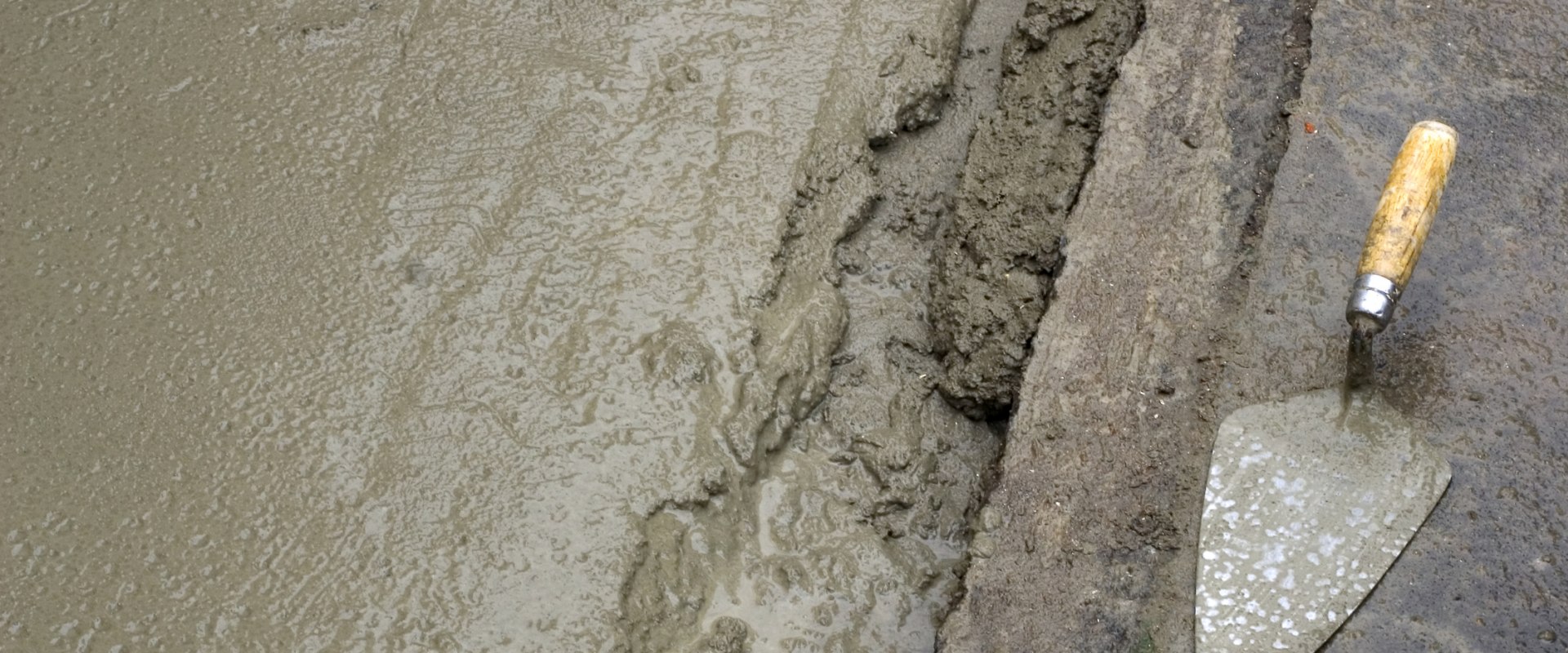
- Fill low spots with a polymer-modified cementitious self-levelling compound, feathering it out beyond the depression by at least 300 mm on each side
- Allow full cure time per the manufacturer's datasheet before proceeding — rushing this step causes delamination later
For deeper repairs exceeding 10 mm, a standard self-leveller won't cut it. You'll need a structured repair mortar first, then a finishing skim. Our Repair & Resurfacing section covers compatible product systems in detail.
Moisture Barriers: Why Studios Skip This at Their Peril
Concrete slabs — particularly older ones — transmit ground moisture upward continuously. Without a proper vapour barrier, timber or composite dance floors cup, adhesives fail, and the finished surface becomes uneven within months. Studios should test relative humidity (RH) in the slab using in-situ probes. If RH exceeds 75%, a two-part epoxy moisture suppression coating must be applied before the finish floor system begins. Understanding how moisture affects cracking and slab strength helps explain why this threshold matters structurally, not just for the floor finish above.
Choosing and Securing the Right Floating Floor System for Salsa Dance Classes Sydney Studios Rely On
Once your concrete slab is level, crack-free, and moisture-stable, the next critical decision is which floating floor system to install on top of it. Studios offering salsa dance classes in Sydney consistently favour floating sprung floors precisely because they decouple the dance surface from the hard slab beneath — protecting both dancers' joints and the concrete itself from repetitive impact stress.
A quality floating floor for Latin dance typically consists of two or three layers:
- Resilient foam or rubber pads — placed directly on the prepared concrete to absorb shock and allow slight vertical flex
- Interlocking or tongue-and-groove plywood sleepers — creating a stable structural platform without fastening into the slab
- A hardwood or vinyl top surface — smooth enough for turns and pivots, but with enough traction to prevent slipping during fast footwork
The term floating is key: nothing is glued or screwed into the concrete. This matters enormously on a repaired slab, because mechanical fasteners driven into patched sections can reopen hairline fractures or compromise fresh overlay bonds. Instead, the system's own weight and interlocking geometry keep it stable under heavy class loads.
When securing the perimeter, use low-profile timber threshold strips rather than adhesive edges. Leave a 10–12 mm expansion gap around all walls to allow the floor to breathe with seasonal humidity changes — especially important in Sydney's coastal climate, where moisture migration through a slab remains an ongoing consideration even after successful repairs.
Finally, confirm the system carries a load rating appropriate for group classes. A busy weekend of salsa instruction can put concentrated dynamic loads on small areas; a floor rated for at least 5 kPa provides a safe, professional margin for studios of any size.
Final Safety and Compliance Checks Before Opening to Salsa Dance Classes Sydney Studios Trust
Once the concrete slab repairs are complete and the dance floor surface is installed, the work isn't finished yet. Before welcoming students to salsa dance classes, Sydney studio owners must run a final round of safety and compliance checks — because a floor that looks ready isn't always a floor that is ready.
- Load rating verification: Confirm the repaired slab meets the minimum load-bearing requirements for an occupied assembly space. Dense groups of dancers generate significant concentrated impact, so this step is non-negotiable.
- Slip resistance testing: Use a portable skid-resistance tester or commission a certified assessor to verify the surface meets AS 4586 standards. Dance floors need grip — but not so much that it catches a pivot mid-turn.
- Edge and transition checks: Walk every threshold, doorway, and floor-level transition. Any height difference greater than 3 mm is a trip hazard and a liability issue.
- Expansion joint inspection: Repaired joints should be flush, filled with appropriate flexible compound, and free of any protruding edges that could snag footwear.
- Moisture meter re-reading: Take final moisture readings across multiple slab zones. Elevated moisture under a floating floor can cause buckling within weeks — catching it now avoids expensive callbacks later.
- Council and building code sign-off: Depending on your state and the scope of structural repairs, a building surveyor or engineer may need to certify the work before public use is permitted.
Document every check with dated photos and written records. If an incident ever occurs, that paper trail demonstrates due diligence and protects the studio owner legally.
Preparing a concrete slab for a dance studio is far more involved than most studio owners anticipate. From diagnosing cracks and testing moisture through to patching, levelling, and clearing final compliance hurdles, every step in this checklist exists for a reason — student safety. Cut corners on the subfloor and the problems will surface, often literally, once classes are underway. Do it properly from the slab up, and the floor will perform as reliably as the dancers who use it.